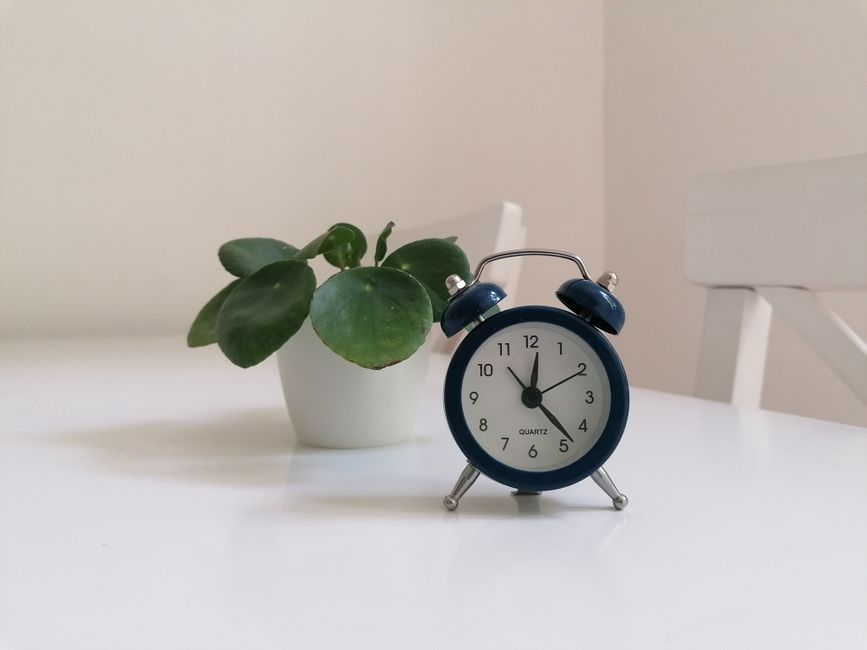
Photo by Matheus Bertelli on Pexels — source As the alarm blares from the bedside table, the morning light filters in through the curtains, illuminating the chaos of a half-packed bag and scattered keys. Today feels different; yesterday's slip in routine lingers in the back of the mind. The planner sits closed, untouched, a silent reminder of the plans that fell by the wayside. With breakfast triage looming, the clock ticks down, and the familiar sense of urgency begins to rise. A quick glance at the phone reveals a notification that interrupts the reset, pulling focus away from the small habits meant to anchor the day. In this moment, the setup relies too heavily on motivation rather than a clear sequence of actions. The keys, notebook, and daily reset items are haphazardly strewn across the entryway, waiting for a decisive hand to organize them. If the planner had been opened and placed in a visible spot, perhaps the morning would flow more smoothly. Each small adjustment, like ...
Get link
Facebook
X
Pinterest
Email
Other Apps
Why Good Intentions Fail in Daily Routines: A Close Look at Small Habits
As the clock inches toward 6:30 PM, the kitchen counter is cluttered with the remnants of a busy day: half-empty snack bags, a pile of school papers, and a forgotten umbrella that never made it to the door. The evening routine should be simple—pack the bag for tomorrow, lay out clothes, and prepare for the next day. Yet, with each passing minute, distractions creep in. A phone notification buzzes, pulling attention away from the task at hand, and suddenly, the intention to reset the evening slips further away.
In the chaos of after-school pickup and dinner prep, the small habit of packing the bag often gets overlooked. Instead of checking off that one crucial step—ensuring the umbrella is moved to the door for easy access in the morning—it's left behind, a visual reminder of what needs to be done. This missed check leads to a frantic search for the umbrella in the morning rush, creating unnecessary stress. The evening routine, intended to be a calming reset, instead becomes a source of friction, making it clear how minor oversights can snowball into larger disruptions.
The First Step That Gets Skipped
Standing at the kitchen counter, a parent surveys the chaotic scene: backpacks strewn across the floor, a half-eaten dinner plate lingering on the table, and assorted items piled up around the sink. The evening routine should be straightforward—pack the bag for tomorrow, lay out clothes, and prepare a lunch—but the clutter creates a sense of overwhelm. As the clock ticks towards bedtime, the pressure mounts.
Just as the parent reaches for the umbrella to place it by the door, a phone notification buzzes insistently. The screen lights up with a message, pulling focus away from the task at hand. In that moment, the small habit of ensuring everything is ready for the morning is disrupted. Instead of moving the umbrella to its designated spot, it gets tossed back onto the counter, lost among the clutter. The intention to reset the evening slips further away, leading to a frantic search for the umbrella in the morning rush.
This missed check not only adds stress but also highlights how a single distraction can derail the entire evening routine. A simple adjustment, like turning off notifications during this critical reset time, could help keep the focus on packing the bag and laying out clothes. Without that small shift, the evening routine becomes just another source of friction, making it clear that small mistakes can have a cascading effect on the next day.
A Small Mistake That Changes Everything
After a long, rainy day, the kitchen counter is cluttered with shoes, bags, and the remnants of dinner. One overlooked detail stands out: the umbrella, still dripping, is left on the counter instead of being moved to the door. As the evening winds down, the parent’s intention to reset for the next day slips away. This small act of not relocating the umbrella seems trivial, yet it sets off a chain reaction.
Come morning, the umbrella is nowhere to be found. In the rush to get everyone out the door, a frantic search ensues. The parent scours the kitchen, peering under backpacks and behind the cereal box, all while the clock ticks down. This oversight not only delays the morning routine but also adds unnecessary stress, making it clear how one small mistake can snowball into larger issues.
To smooth out this friction, a simple adjustment could be made: establishing a nightly checklist. Before heading to bed, the parent can take a moment to ensure the umbrella is placed by the door, along with other essentials like shoes and backpacks. This small habit, done consistently, can prevent chaos in the morning. However, the distraction of a buzzing phone notification during the evening reset often derails this preparation, leading to missed checks and a cluttered counter. Without this small routine in place, the evening becomes just another chaotic prelude to the day ahead.
This same friction shows up again in Daily Routines Real Life, especially when the day tightens unexpectedly.
What Happens Next: The Ripple Effect
The frantic search for the umbrella becomes a defining moment in the evening routine, setting off a chain reaction that disrupts the following morning. As the parent rummages through the kitchen, glancing under the table and behind the cereal box, the clock ticks down. They finally locate the umbrella, but this delay means they leave the house later than planned. The hurried pace leads to a rushed breakfast, where the usual routine of pouring cereal slips into chaos—milk spills, and the toast burns. In the scramble, lunch items are forgotten on the counter, adding to the morning's stress.
Each small mistake compounds the next. Without the packed lunch, the parent has to make a quick stop at the store, which further delays their arrival at school. The umbrella, once a minor inconvenience, morphs into a symbol of a disrupted flow, illustrating how one overlooked detail can ripple through the entire day. To mitigate this, a simple nightly check could be established: ensuring that the lunch is prepped and placed in the fridge, ready to grab in the morning. However, the distraction of a buzzing phone notification during the evening reset often derails this preparation, leading to missed checks and a cluttered counter. The cycle continues, reinforcing the need for a smoother transition into the next day. A Better Order for the Same Five Minutes Evening routines can often feel rushed, especially after a chaotic day. Instead of diving into the usual scramble of packing the bags at the last minute, consider shifting this task to the night before. By placing the children’s backpacks by the door, ready to grab in the morning, there's a visible cue that helps prevent the last-minute chaos. This small adjustment can save precious time and reduce stress during the morning rush.
Incorporating a reminder on your phone to check the bags before bed can also be a game changer. Set a simple alert for 15 minutes before bedtime, prompting you to ensure that all necessary items—homework, lunch boxes, and even the umbrella—are packed and ready. This way, you can avoid the frantic search for the umbrella in the morning, which often gets overlooked and left behind. The act of checking the bags becomes a part of the evening reset, allowing for a smoother transition into the next day.
However, even with the best intentions, distractions can derail this process. A buzzing phone notification can easily pull your focus away from preparing for the next day, leading to missed checks. To combat this, consider placing your phone in another room during the evening routine. This small change can help maintain focus on packing and ensure that everything is in its rightful place, setting the stage for a more organized morning.
What to Check Before the Phone Takes Over
If this pattern keeps repeating, Everyday Life In The extends the idea without leaving the niche.
Evening routines can quickly unravel, especially when a phone notification interrupts your focus. As you stand at the kitchen counter, the remnants of dinner still scattered about, the last thing you need is a buzzing phone pulling you away from packing the kids' bags. The kitchen, usually a bustling hub, can transform into a chaotic zone where intentions fade under the weight of distractions.
Establishing a phone-free zone during your evening reset can be a game changer. Before starting the routine, place your phone in another room. This simple act minimizes interruptions, allowing you to concentrate on the tasks at hand. Begin by checking off items on a checklist pinned to the fridge: homework, lunch boxes, and the ever-elusive umbrella. Each item you check off brings a sense of accomplishment, reinforcing the habit of preparation.
As you gather the items, consider moving the umbrella from its usual spot in the corner to the door. This small adjustment not only makes it visible but also serves as a reminder to grab it on the way out. The act of preparing the night before can create a smoother transition into the next day, but it requires consistent practice. When you prioritize this checklist over the temptation of your phone, you set the stage for a more organized morning, even if it means leaving a few notifications unanswered for a while.
As the evening wears on and the kitchen counter becomes cluttered with remnants of the day, the temptation to scroll through phone notifications can derail even the best intentions. A simple check of the homework folder might slip your mind, leading to a frantic search in the morning. Instead, consider placing the homework folder next to the lunch boxes on the counter as a visual reminder. This small adjustment ensures that you won't overlook it during the evening reset.
Establishing a consistent evening routine is crucial for parents navigating the chaos of daily life. By moving the umbrella to the door and checking off items on your evening checklist, you create a more organized environment. This not only prepares you for the next day but also reinforces the habit of being proactive. Take a moment tonight to set aside your phone and focus on these small tasks, allowing the evening routine to flow more smoothly.
Crafting Steady Daily Routines That Last What’s happening beneath the surface — the Benefits of Routines Improved Productivity One of the most compelling reasons to establish a daily routine is the boost in productivity it can provide. By knowing exactly what tasks to tackle and when, you minimize decision fatigue and free up mental energy for more critical tasks. A study from the American Psychological Association highlights how structured routines can lead to better time management and increased focus. For instance, if you start your day with a prioritized to-do list, you can tackle high-energy tasks when you're most alert, leaving less demanding tasks for later. Enhanced well-being Routines can also have a profound impact on mental well-being. According to a study published by the National Institute of well-being, having a predictable daily schedule can reduce restlessness and stress levels. This predictability provides a sense of control and stability, essentia...
Crafting Your Language Learning Routine: A Practical Guide Learning a new language can feel overwhelming, especially when you're juggling work, family, and other commitments. Many people wonder, "How can I effectively integrate language learning into my daily routine?" The good news is that with a few simple strategies, you can make this goal more manageable and even enjoyable. Start Small and Build Momentum When embarking on any new habit, beginning with small, achievable goals is often the key to success. This is particularly true for language learning. Consider setting aside just 10-15 minutes a day to get started. You might choose to use a language app, listen to a podcast, or read a few pages of a book in your target language. The goal here is consistency, not intensity. As you become more comfortable, you can gradually increase your study time. This slow build-up helps prevent burnout and keeps motivation high. If you find that a certain time of day...
Photo by Mikael Blomkvist on Pexels — source At the kitchen counter, the coffee pot gurgles to life, filling the air with a familiar aroma. The planner sits closed on the table, untouched since last night, while the clock ticks closer to the time when work clothes should already be on. A late start has turned this weekday morning into a race against the clock, and the usual routine feels more like a scramble. The alarm, carelessly left on the bedside table, has become a mere suggestion rather than a directive, and the clothes intended for the day linger longer than planned, adding to the morning chaos. With the coffee brewing, the first step of the day remains unaddressed: opening that planner to review the day ahead. Missing this small action means the mind is left unstructured, leading to a cascade of forgotten tasks. The clothes, still on the chair, serve as a reminder of how easily a simple oversight can derail a morning. To regain control, placing the alarm across the room could ...