Reordering Your Morning Routine: Tackling Hidden Steps for a Smoother Start
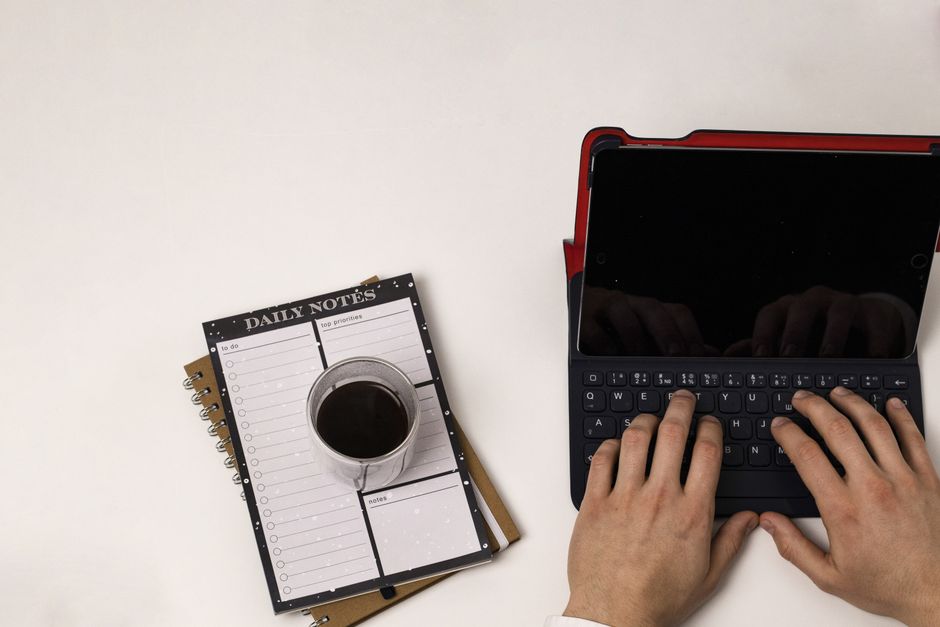
As the clock strikes 8:00 AM, the entryway chair becomes a makeshift command center for a remote worker's morning routine. A backpack sits open, its contents half-packed, while a lunch container languishes in the sink, a reminder of yesterday's hurried exit. The phone buzzes with notifications, pulling attention away from the task at hand. In this moment, the routine feels more like a series of disjointed tasks than a cohesive system, with each step hidden until the last minute. The looming deadline of a 9:00 AM meeting adds pressure, making it clear that something in this sequence is off.
Missing the small check of ensuring the lunch container is packed before heading out can create a ripple effect. Each distraction, like the phone notification, pulls focus away from the next necessary action, leading to a scramble to remember what was left behind. Without a clear sequence, the morning routine can quickly devolve into chaos, leaving essential items behind and increasing stress. This highlights how easily a simple oversight can disrupt the flow, making it crucial to establish a more visible and structured approach to daily routines.
The First Step That Gets Skipped
At the entryway chair, the remote worker shuffles through their bag, ensuring the laptop slides in snugly beside the half-opened lunch container. It’s an ordinary weekday morning, but the clock’s hands inch closer to 9:00 AM, and the pressure mounts. Just as they reach for the water bottle, a phone notification buzzes sharply, slicing through the quiet. The screen lights up with a reminder for the upcoming meeting, drawing attention away from the task at hand.
In that moment, the carefully arranged morning routine begins to unravel. The lunch container, still resting in the sink from last night’s dinner prep, is forgotten. Each distraction, like the sudden notification, disrupts the flow, turning the morning into a frantic race against time. A quick check before leaving the room could have saved the day—a simple glance to ensure that everything needed is packed would have prevented the scramble. Now, with the clock ticking and essential items left behind, the routine feels more like a series of disjointed tasks rather than a cohesive system. This highlights how easily a small oversight can derail the entire morning, emphasizing the need for a clearer sequence in daily routines.
Where the Routine Begins to Slip
This same friction shows up again in Everyday Life In The, especially when the day tightens unexpectedly.
The entryway chair is cluttered with bags and jackets, a testament to the rushed mornings that have become all too familiar. As the remote worker settles into the first work block of the day, a sudden realization hits: the lunch container is still resting in the sink, forgotten amidst the chaos of the evening routine. This oversight triggers a last-minute scramble, forcing them to pivot from a focused start to a frantic search through the kitchen.
With the clock ticking, they dash to the sink, grabbing the container and mentally calculating how to fit it into the already packed bag. This moment of distraction not only eats into precious time but also disrupts the flow of the morning routine. In the rush, they skip a crucial step: checking the planner for the day’s tasks. Without this check, they’re left uncertain about priorities, leading to a potential misalignment between their goals and the day’s demands.
As they finally secure the lunch container in the bag, a notification buzzes on the phone, pulling their attention once again. This interruption highlights a pattern where hidden steps—like checking the planner—create friction that derails productivity. Each overlooked detail compounds the chaos, transforming what should be a seamless morning routine into a series of disjointed tasks. A simple check before leaving the room could have ensured that everything was in order, allowing for a smoother transition into the workday.
Now, with the morning feeling more like a series of frantic adjustments rather than a cohesive system, the worker is left to navigate the consequences of these small but significant oversights. The need for a more structured approach is evident, as the routine slips further away with each hidden step that goes unchecked.
What Happens When Steps Are Hidden
A slightly different version of this problem appears in Daily Routines Real Life, where the sequence changes but the hidden drag feels familiar.
The entryway chair becomes a cluttered staging area for the morning routine, with a half-packed bag resting against the wall. As the remote worker rushes to gather items for the day, the lunch container sits abandoned in the sink, a reminder of the hidden steps that often derail their flow. Each action feels like a frantic scramble, where the absence of a clear sequence amplifies the cognitive load. When the phone buzzes with a notification, it disrupts their focus, pulling them away from the task at hand.
Good intentions don’t always translate into effective routines. The worker had planned to check their planner for the day’s meetings before leaving, but that step was overlooked in the chaos. Instead of a smooth transition into the work block, they now face the stress of uncertainty, wondering if they’ve missed anything important. The notification, an unexpected intrusion, only adds to the confusion, making it harder to pivot back to the task of packing.
Before stepping out, a quick check of the bag could have ensured that the lunch container was included, along with any necessary documents. This simple adjustment might have prevented the mental friction that arises when tasks aren’t anticipated. The entryway, meant to facilitate a swift exit, instead becomes a bottleneck of disorganization, where each hidden step compounds the chaos. As they finally grab the bag, the worker realizes that the morning routine has transformed into a series of disjointed tasks, each step feeling more burdensome than the last.
A Better Order for the Same Five Minutes
The entryway chair, often a catch-all for bags and shoes, becomes a source of stress during late-start weekday mornings. When the clock ticks down and the remote worker realizes they have only five minutes left, the usual scramble begins. Instead of reaching for the lunch container first, they instinctively grab their phone, drawn in by a notification. This distraction not only derails their focus but also pushes essential tasks to the back of their mind, leading to a chaotic exit.
To streamline this routine, packing the lunch container should take priority. Placing it next to the bag on the chair not only makes it visible but also reduces the chance of leaving it behind. After securing the lunch, a quick glance at the planner can set the tone for the day. By checking the planner before picking up the phone, they can align their focus on the most pressing tasks instead of getting sidetracked by social media or emails. This small sequence change transforms the morning from a frantic search to a more organized approach.
With the lunch container packed and the planner checked, the worker can now confidently pick up their bag, knowing they’ve avoided the last-minute confusion that often leads to forgotten items. The entryway, once a bottleneck, now serves as a launchpad for a smoother start to the workday. Each step feels intentional, reducing the friction that arises when too many tasks are hidden until the moment begins. This adjustment not only enhances productivity but also cultivates a sense of control as they step out the door.
What Gets Easier in the Next Time Block
As the remote worker settles into the entryway chair, the weight of the morning routine starts to lift. They glance at the lunch container still sitting in the sink, a reminder of yesterday's rush. Instead of scrambling to remember what needs to be packed, a small habit of checking off items on a mental list becomes essential. This simple act transforms the chaotic start into a more manageable sequence.
Before grabbing the bag, they open the planner resting on the side table. This quick check prioritizes tasks for the day, ensuring that the most pressing items are front of mind. They then reach for the lunch container, placing it into the bag first. With this adjustment, the entryway no longer feels like a cluttered bottleneck. Instead, it becomes a streamlined launchpad for the workday.
As they stand up, ready to leave, the phone buzzes with a notification. Instead of letting it derail their focus, they resist the urge to check it immediately. This conscious decision allows them to move forward with a clearer headspace, setting the tone for the first work block. The next time block feels less daunting, as the morning routine has laid a solid foundation, minimizing hidden steps that could lead to confusion later on.
As the remote worker settles into their first work block, the clarity gained from a well-structured morning routine becomes evident. By prioritizing tasks and ensuring that essential items like the lunch container are packed, they eliminate the chaos that often accompanies a late start. The entryway chair, once a cluttered catch-all, now serves as a functional space that supports their workflow.
Before stepping out, a quick glance at the planner on the side table becomes a crucial check-in. This simple action not only confirms what needs to be tackled first but also reinforces a sense of control over the day ahead. By keeping these steps visible and manageable, the worker can effectively prevent the breakdown of their daily routine, ensuring that no steps are hidden when it’s time to move forward.


