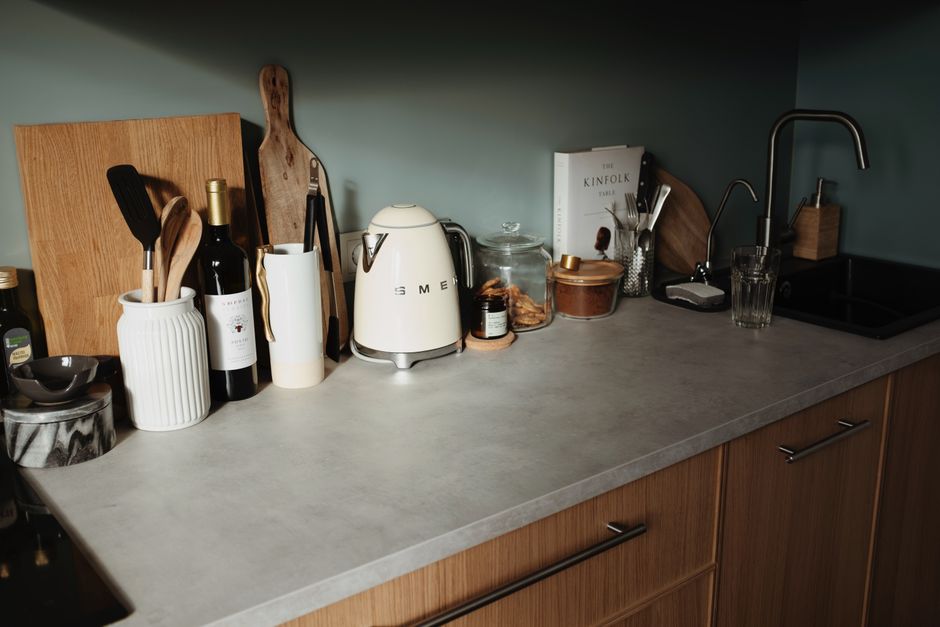
Photo by Matheus Bertelli on Pexels — source As the alarm blares from the bedside table, the morning light filters in through the curtains, illuminating the chaos of a half-packed bag and scattered keys. Today feels different; yesterday's slip in routine lingers in the back of the mind. The planner sits closed, untouched, a silent reminder of the plans that fell by the wayside. With breakfast triage looming, the clock ticks down, and the familiar sense of urgency begins to rise. A quick glance at the phone reveals a notification that interrupts the reset, pulling focus away from the small habits meant to anchor the day. In this moment, the setup relies too heavily on motivation rather than a clear sequence of actions. The keys, notebook, and daily reset items are haphazardly strewn across the entryway, waiting for a decisive hand to organize them. If the planner had been opened and placed in a visible spot, perhaps the morning would flow more smoothly. Each small adjustment, like ...
Get link
Facebook
X
Pinterest
Email
Other Apps
Why Morning Routines Fail When Motivation Is the Only Driver
At the kitchen counter, the clock ticks toward the usual departure time, but the work clothes still hang on the entryway chair, untouched. A quick glance at the breakfast items reveals a familiar scene: the cereal box sits on the edge of the counter, while the milk waits in the fridge, unpoured. This moment, a daily ritual, often hinges on the fleeting motivation to prepare a nutritious start. Yet, as the minutes slip away, the urge to grab a quick snack or skip breakfast entirely looms larger, threatening to derail the carefully crafted morning routine.
In this hurried setup, one small detail can make all the difference. If the umbrella, always left by the door, were instead moved to the entryway chair, it would serve as a visual reminder to grab breakfast before heading out. This missed check can create a ripple effect, where the lack of preparation leads to a chaotic exit, leaving breakfast choices to chance. Each day, the reliance on motivation alone can cause a drift in what should be a straightforward morning routine, making it clear that small adjustments are essential for maintaining consistency.
The Morning Setup That Looks Good on Paper
On a typical weekday, the kitchen counter becomes the command center for the morning routine. The night before, a careful arrangement of breakfast items sits waiting: a bowl, a spoon, and a carton of yogurt ready to be opened. Next to it, work clothes are neatly laid out on the entryway chair, a visual cue to help streamline the morning. Yet, despite these preparations, the setup often feels more theoretical than practical.
Allocating specific time slots for each task is crucial. For instance, if breakfast is allotted just ten minutes, it’s essential to stick to that timeframe. The intention is to pour the yogurt, add some granola, and enjoy a quick meal before heading out. However, if the clothes remain on the chair longer than planned, the risk of getting distracted increases. A glance at the phone or a quick chat can easily eat into that precious time.
One small adjustment can make a significant impact. If the bowl is placed in the same line of sight as the work clothes, it creates a mental prompt to engage in the routine. This simple act of visibility can help avoid the drift where breakfast becomes an afterthought. The umbrella, usually forgotten by the door, could serve as another reminder; if it were moved to the kitchen, it would signal the need to grab breakfast before leaving. This interconnectedness of objects and tasks illustrates how a well-planned morning can easily unravel without mindful execution.
Where the Routine Starts to Unravel
Standing at the kitchen counter, the morning light filters through the window, illuminating the chaos of an unprepared breakfast. The yogurt sits in the fridge, the granola unopened, and the fruit remains untouched on the counter. This moment is a stark contrast to the expectation of a quick, seamless breakfast routine. Instead of a fluid sequence, the lack of prep leads to a scramble that sets the tone for the day.
As the clock ticks closer to departure time, a quick glance at the phone reveals a barrage of notifications. Each ping pulls focus from the task at hand, making it all too easy to lose track of time. Meanwhile, the work clothes, which were intended to be neatly laid out the night before, lie crumpled on the entryway chair. This oversight not only adds to the morning's stress but also creates a visual reminder of the disarray. The clothes, instead of being a prompt to get dressed, become a source of distraction, further complicating the routine.
To mitigate this drift, a small adjustment can be made: placing the yogurt and granola in a visible spot on the counter, right next to the work clothes. This way, when the eye catches the clothes, it also sees the breakfast items, creating a mental connection that encourages engagement with both tasks. The umbrella, often forgotten, could also be moved to the kitchen, reinforcing the need to grab breakfast before heading out. By aligning these objects, the morning routine can regain its structure, preventing the small moments of distraction from spiraling into a chaotic start.
If this pattern keeps repeating, Daily Routines Real Life extends the idea without leaving the niche.
Why Motivation Alone Can't Hold Up a Routine
In the rush of a weekday morning, the kitchen counter becomes a battleground for competing priorities. As the clock ticks closer to departure, the breakfast setup often relies too heavily on fleeting motivation. When this motivation wanes, the entire routine can falter, leading to chaos instead of a smooth start.
Motivation can fluctuate based on mood or energy levels; a late night can turn breakfast preparation into an afterthought.
Distractions from technology, like notifications from a phone left on the counter, can pull focus away from essential tasks.
Physical clutter, such as a pile of unopened mail or a disorganized countertop, creates mental blocks that hinder the flow of the morning routine.
To counteract these friction points, consider a small adjustment: place the breakfast items—like yogurt and granola—front and center on the counter, right next to the entryway chair where work clothes are draped. This visual cue not only prompts engagement with breakfast but also nudges the mind away from distractions. When the clothes catch your eye, the breakfast items will too, creating a seamless connection that can help maintain focus amidst the morning rush. The umbrella, often left behind, could also be relocated to the kitchen, reinforcing the habit of grabbing breakfast before heading out. These small changes can significantly reduce the friction that leads to routine breakdowns. A Simple Correction That Changes the Game On a typical weekday morning, the entryway chair becomes a catch-all for work clothes, often lingering longer than necessary. To combat this, placing a bright reminder note on the chair can serve as a visual cue to not only grab the clothes but also to prioritize breakfast. This small adjustment transforms the chair from a mere resting spot into an active part of your routine, prompting you to engage with both the clothes and the meal prep.
Setting a timer for breakfast prep can inject a sense of urgency into the morning. For instance, when you start your coffee, set a timer for ten minutes. This creates a structured window to prepare your breakfast, whether it’s slicing fruit or pouring cereal. With the timer ticking, you’re less likely to get sidetracked by other tasks. Additionally, relocating the umbrella to a dedicated spot near the door ensures it’s always in sight when you’re ready to leave, reducing the chances of forgetting it entirely. These small corrections, when layered together, can significantly enhance your morning routine, making it more efficient and less reliant on fleeting motivation.
A Quick Checkpoint to Prevent Drift
Before heading to bed, take a moment to check the entryway chair. This simple act can set the stage for a smoother morning. If you leave your work clothes draped over the chair, they’ll likely remain there longer than intended, leading to a rushed morning scramble. Instead, hang them neatly in the closet, ensuring they’re out of sight and out of mind until you need them.
On the kitchen counter, place a small bowl or tray as a visual reminder for daily tasks. Fill it with essential breakfast items like a box of granola, a banana, or a coffee mug. This not only keeps your breakfast prep organized but also serves as a cue to start your day. When you see the bowl in the morning, it prompts you to engage with your routine instead of relying solely on motivation.
Incorporating this checkpoint into your evening routine requires minimal effort but can significantly reduce friction in the morning. By preparing the entryway and kitchen counter, you create a more inviting environment that encourages consistency in your weekday routine. This small adjustment can make a noticeable difference, allowing you to focus on your breakfast rather than getting sidetracked by lingering tasks.
What Becomes Easier After the Correction
A slightly different version of this problem appears in Everyday Life In The, where the sequence changes but the hidden drag feels familiar.
Preparing the kitchen counter the night before transforms the morning rush into a smoother experience. When the coffee maker is prepped with water and grounds, and a bowl filled with granola is ready to go, mornings feel less chaotic. Instead of scrambling to gather breakfast items, everything is at hand, ready to be used. This small adjustment not only reduces stress but also sets a positive tone for the day.
As you move through your morning routine, the likelihood of leaving the house on time increases significantly. With breakfast items laid out, you can focus on enjoying your meal rather than worrying about what to eat or where things are. This shift allows you to engage with your breakfast instead of feeling like you’re racing against the clock. You might even notice that you’re able to sit down at the table for a few minutes, which is a luxury on busy weekdays.
Next time you head out the door, you’ll likely find yourself grabbing your umbrella from its designated spot by the door, rather than realizing too late that it’s still in the closet. This small but critical change in your entryway setup can make all the difference. With everything in its place, your morning routine becomes a series of simple, familiar actions rather than a frantic scramble, allowing you to start your day with a sense of calm and control.
As you navigate your morning routine, consider how a simple action like placing your breakfast items on the counter the night before can shift your experience. This small adjustment not only reduces the friction of decision-making in the morning but also sets a clear intention for your day. When you can see your breakfast options right away, you’re less likely to skip this important meal or rush through it.
Next time you prepare for bed, take a moment to set out your breakfast essentials. This not only removes the morning scramble but also reinforces a sense of structure in your weekday routine. By anchoring these items in a visible spot, you create a smoother transition from waking to starting your day, ensuring that your routine doesn’t drift due to reliance on motivation alone.
Crafting Steady Daily Routines That Last What’s happening beneath the surface — the Benefits of Routines Improved Productivity One of the most compelling reasons to establish a daily routine is the boost in productivity it can provide. By knowing exactly what tasks to tackle and when, you minimize decision fatigue and free up mental energy for more critical tasks. A study from the American Psychological Association highlights how structured routines can lead to better time management and increased focus. For instance, if you start your day with a prioritized to-do list, you can tackle high-energy tasks when you're most alert, leaving less demanding tasks for later. Enhanced well-being Routines can also have a profound impact on mental well-being. According to a study published by the National Institute of well-being, having a predictable daily schedule can reduce restlessness and stress levels. This predictability provides a sense of control and stability, essentia...
Crafting Your Language Learning Routine: A Practical Guide Learning a new language can feel overwhelming, especially when you're juggling work, family, and other commitments. Many people wonder, "How can I effectively integrate language learning into my daily routine?" The good news is that with a few simple strategies, you can make this goal more manageable and even enjoyable. Start Small and Build Momentum When embarking on any new habit, beginning with small, achievable goals is often the key to success. This is particularly true for language learning. Consider setting aside just 10-15 minutes a day to get started. You might choose to use a language app, listen to a podcast, or read a few pages of a book in your target language. The goal here is consistency, not intensity. As you become more comfortable, you can gradually increase your study time. This slow build-up helps prevent burnout and keeps motivation high. If you find that a certain time of day...
Photo by Mikael Blomkvist on Pexels — source At the kitchen counter, the coffee pot gurgles to life, filling the air with a familiar aroma. The planner sits closed on the table, untouched since last night, while the clock ticks closer to the time when work clothes should already be on. A late start has turned this weekday morning into a race against the clock, and the usual routine feels more like a scramble. The alarm, carelessly left on the bedside table, has become a mere suggestion rather than a directive, and the clothes intended for the day linger longer than planned, adding to the morning chaos. With the coffee brewing, the first step of the day remains unaddressed: opening that planner to review the day ahead. Missing this small action means the mind is left unstructured, leading to a cascade of forgotten tasks. The clothes, still on the chair, serve as a reminder of how easily a simple oversight can derail a morning. To regain control, placing the alarm across the room could ...