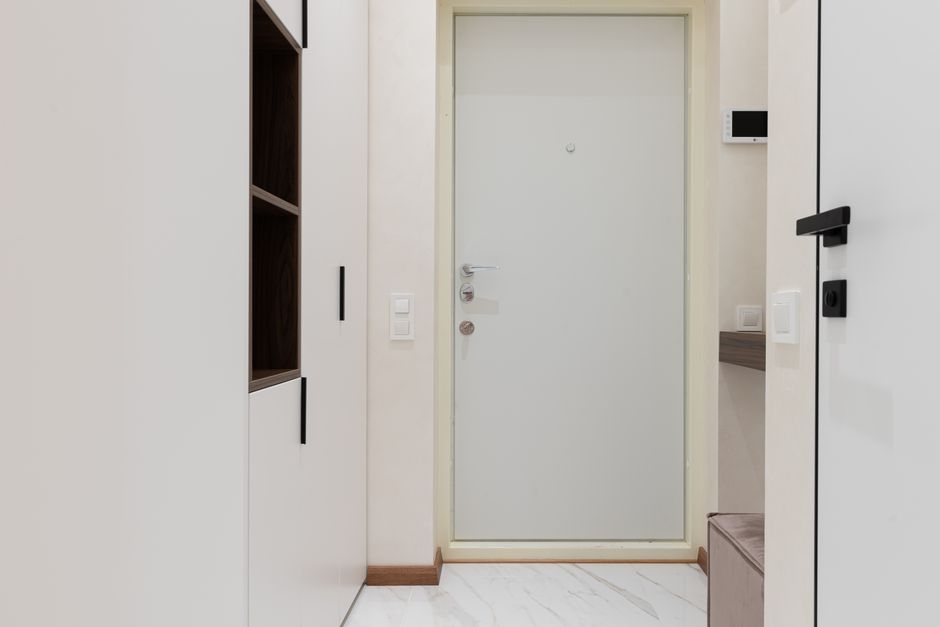
Photo by Matheus Bertelli on Pexels — source As the alarm blares from the bedside table, the morning light filters in through the curtains, illuminating the chaos of a half-packed bag and scattered keys. Today feels different; yesterday's slip in routine lingers in the back of the mind. The planner sits closed, untouched, a silent reminder of the plans that fell by the wayside. With breakfast triage looming, the clock ticks down, and the familiar sense of urgency begins to rise. A quick glance at the phone reveals a notification that interrupts the reset, pulling focus away from the small habits meant to anchor the day. In this moment, the setup relies too heavily on motivation rather than a clear sequence of actions. The keys, notebook, and daily reset items are haphazardly strewn across the entryway, waiting for a decisive hand to organize them. If the planner had been opened and placed in a visible spot, perhaps the morning would flow more smoothly. Each small adjustment, like ...
It's 7:15 AM on a Tuesday, and the kitchen counter is cluttered with the remnants of a hurried breakfast. A half-empty coffee cup sits next to an open laptop, its screen glowing with unread emails. The work clothes, still draped over the back of a chair, remain untouched as you mentally run through the morning routine. The alarm, set across the room, buzzed loudly, but the usual rhythm feels off today. You can already sense the friction building as you realize that too many steps in your weekday routine are hidden until the moment begins.
As you glance at the clock, the pressure mounts. The umbrella, which should have been moved to the door last night, is still leaning against the wall, a small but telling sign of oversight. This missed step is a reminder of how easily the flow can be disrupted. Each small detail—like laying out clothes the night before or checking the bag for essentials—plays a crucial role in maintaining consistency. Without these checks, the morning can spiral into chaos, leading to a delayed departure and a rushed start to the workday.
The Unseen Steps That Slow You Down
As you stand in the kitchen, the clock ticks closer to your departure time, and the first signs of friction in your morning routine appear. The bag, still empty on the counter, serves as a glaring reminder of how late you’ve left packing it. You reach for your laptop charger, but it’s tangled with the headphones you forgot to put away last night. This simple oversight adds unnecessary stress to your already tight schedule.
Not having laid out your work clothes the night before compounds the problem. Instead of grabbing a ready outfit, you find yourself rifling through the closet, trying to match a shirt with pants that might not even be clean. Each minute spent searching feels like a small loss in the battle against time. If you had established a habit of setting out your clothes after dinner, this chaotic scramble could have been avoided.
Before you leave the room, take a moment to check your bag. Ensure you have your notebook, pens, and any other essentials. This quick action can save you from a frantic return to the house, which is all too common when you skip this step. As you glance at the umbrella still leaning against the wall, it becomes clear that the small, unseen steps in your routine can lead to a cascading effect of delays. The next time, consider packing your bag before dinner, and lay out your clothes as part of your evening reset. This shift could make your mornings smoother and more predictable.
A Small Mistake: Clothes Left Behind
Standing at the kitchen counter, you glance at the clock, and a wave of panic washes over you. The work clothes you intended to wear are still draped over the chair in the living room, a reminder of yesterday's chaotic evening. You had planned to lay them out the night before as part of your evening routine, but the lure of the couch and a late dinner distracted you. Now, with just minutes to spare, you feel rushed and unprepared, a familiar tension creeping in as you scramble to find something that matches.
As you dash to the living room, you realize that the umbrella, which should have been moved to the door, is still leaning against the wall, a small but telling sign of your disorganized evening reset. This oversight compounds the morning's stress, making you feel even more scattered. Before you leave the room, take a moment to check your bag: notebook, pens, and any essentials should be packed and ready. If you had set your alarm across the room, forcing you to get out of bed, perhaps you would have remembered to prepare your clothes and the umbrella the night before. Each small step skipped leads to a cascade of delays, leaving you to wonder how a simple evening routine could have transformed your morning into a smoother start. Consequences of Overlooking Preparation When the work clothes you intended to wear remain crumpled on the chair instead of neatly laid out, the morning routine spirals into chaos. You glance at the clock on the kitchen counter, and it’s already ten minutes past the time you planned to leave. As you scramble to find something else to wear, the pressure mounts. Not only are you late, but you also feel flustered and unproductive, a state that lingers even after you finally step out the door.
Rushing to your first meeting, you realize you’ve forgotten important materials because you didn’t check your bag before leaving the room. The notebook you meant to bring is still on the counter, and your mind races as you think about the notes you won’t have. This oversight not only impacts your confidence but also sets a tone of disorganization for the entire day. If you had taken just a moment to check your bag and lay out your clothes the night before, you might have avoided this cascade of stress and missed commitments. The small habit of preparation could have transformed your morning, creating a smoother transition into your workday.
Quick Fix: The Evening Reset
A slightly different version of this problem appears in Everyday Life In The, where the sequence changes but the hidden drag feels familiar.
After a hectic day, the last thing you want is to scramble in the morning. A simple adjustment to your evening routine can help prevent that chaos. As you wind down, take a moment to lay out your work clothes on the kitchen counter. This small act not only saves you time but also removes the decision fatigue that can lead to last-minute outfit changes.
Setting your alarm across the room is another effective strategy. When the alarm blares, you’ll have to physically get out of bed to turn it off, which helps you resist the temptation to hit snooze. Once you're up, head to the kitchen to check your bag. Make it a habit to ensure your notebook, pens, and any other materials are packed before you leave the room. This way, you won’t find yourself rushing back to grab forgotten items, which can set a frantic tone for your day.
By incorporating these two steps into your evening routine, you create a smoother transition into your mornings. The clothes are ready, the alarm forces you into action, and your bag is packed. This small habit of preparation can significantly reduce the friction points that often derail weekday routines.
Recognizing Repeat Patterns of Friction
If this pattern keeps repeating, Daily Routines Real Life extends the idea without leaving the niche.
Standing at the kitchen counter, you might notice the same items cluttering your weekday routine: the umbrella that never makes it to the door, or the work clothes lingering longer than intended. These small oversights can snowball into larger disruptions, especially when they accumulate over time. Each morning, you might find yourself scrambling to gather everything you need, only to realize that you forgot to check your bag for essential items like your notebook or lunch. This kind of friction can create a chaotic start to your day.
Reflect on what steps you consistently miss. Is it laying out your clothes the night before? Or perhaps checking your bag as you walk out the door? Consider how a simple adjustment, like moving your umbrella to the door or placing your work clothes in a designated spot, can streamline your morning. A daily reset, where you take a moment to prepare the night before, can significantly reduce stress and help you start your day with clarity.
To make this stick, try a quick check before leaving the room. Stand by the door and mentally run through your essentials: wallet, keys, bag, and any other items you need. This small action can create a smoother transition into your day. By identifying and addressing these hidden steps, you not only ease the morning rush but also build a more consistent habit that supports your weekday routine.
When the morning rush hits, it's easy to overlook the small details that can derail your entire routine. If your work clothes linger on longer than intended, consider where they’re placed. Are they neatly folded on a chair or crammed in a drawer? A simple shift to hang them on a hook by the door can serve as a visual cue, prompting you to change before heading out. This small adjustment not only saves time but also keeps you accountable to your weekday routine.
As you stand at your kitchen counter, preparing to leave, take a moment for a quick check. Before you step out, glance at your bag and ensure your essentials are all there. This proactive step can prevent the last-minute scramble that often leads to forgotten items. By making these small but significant changes, you address the hidden friction points in your routine, paving the way for a smoother start to your day.
Crafting Steady Daily Routines That Last What’s happening beneath the surface — the Benefits of Routines Improved Productivity One of the most compelling reasons to establish a daily routine is the boost in productivity it can provide. By knowing exactly what tasks to tackle and when, you minimize decision fatigue and free up mental energy for more critical tasks. A study from the American Psychological Association highlights how structured routines can lead to better time management and increased focus. For instance, if you start your day with a prioritized to-do list, you can tackle high-energy tasks when you're most alert, leaving less demanding tasks for later. Enhanced well-being Routines can also have a profound impact on mental well-being. According to a study published by the National Institute of well-being, having a predictable daily schedule can reduce restlessness and stress levels. This predictability provides a sense of control and stability, essentia...
Crafting Your Language Learning Routine: A Practical Guide Learning a new language can feel overwhelming, especially when you're juggling work, family, and other commitments. Many people wonder, "How can I effectively integrate language learning into my daily routine?" The good news is that with a few simple strategies, you can make this goal more manageable and even enjoyable. Start Small and Build Momentum When embarking on any new habit, beginning with small, achievable goals is often the key to success. This is particularly true for language learning. Consider setting aside just 10-15 minutes a day to get started. You might choose to use a language app, listen to a podcast, or read a few pages of a book in your target language. The goal here is consistency, not intensity. As you become more comfortable, you can gradually increase your study time. This slow build-up helps prevent burnout and keeps motivation high. If you find that a certain time of day...
Photo by Mikael Blomkvist on Pexels — source At the kitchen counter, the coffee pot gurgles to life, filling the air with a familiar aroma. The planner sits closed on the table, untouched since last night, while the clock ticks closer to the time when work clothes should already be on. A late start has turned this weekday morning into a race against the clock, and the usual routine feels more like a scramble. The alarm, carelessly left on the bedside table, has become a mere suggestion rather than a directive, and the clothes intended for the day linger longer than planned, adding to the morning chaos. With the coffee brewing, the first step of the day remains unaddressed: opening that planner to review the day ahead. Missing this small action means the mind is left unstructured, leading to a cascade of forgotten tasks. The clothes, still on the chair, serve as a reminder of how easily a simple oversight can derail a morning. To regain control, placing the alarm across the room could ...